English
 Türkçe

24/7 Call Center

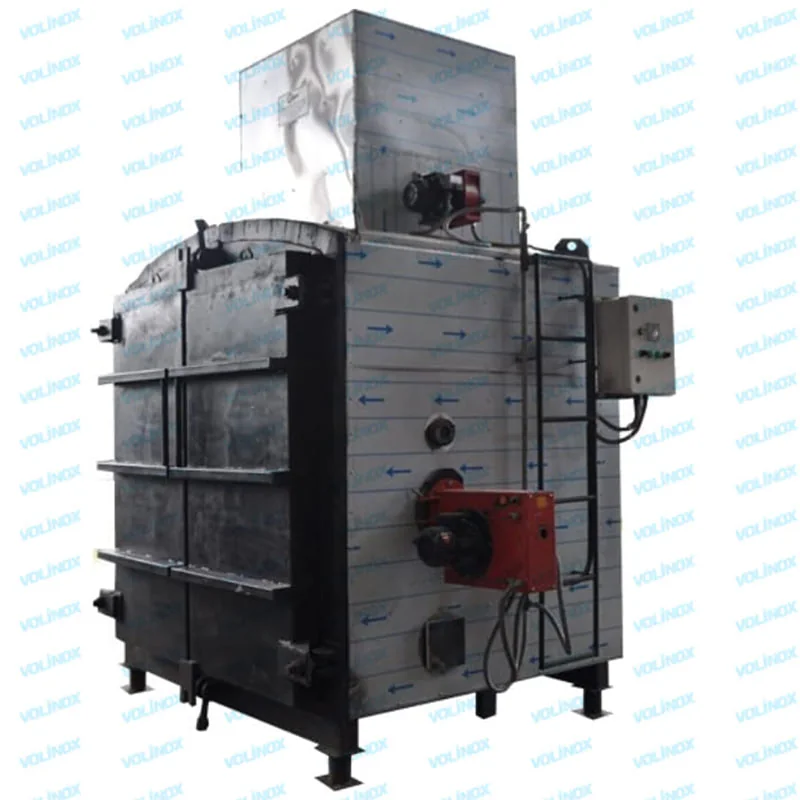
A crematorium is a facility where a body is burned in a controlled way at high temperature and the remaining bone fragments are returned as ashes. This article summarises how it works according to the description of an international trade body, the Cremation Association of North America (CANA), and the relevant provisions of Turkish law and regulation. Whether cremation is the right choice is a personal, religious and social decision; this article does not enter into that.
How does a crematorium work?
The sequence CANA describes is roughly as follows:
- The body is placed in a container that is completely enclosed, rigid, leak-resistant and combustible.
- Identity is confirmed and a number is assigned, often stamped on a stainless steel disc.
- When the cremation is scheduled, the body is taken out of storage and identity is checked again.
- The container, together with the identification disc, is loaded into the primary chamber of the cremator; the door is closed and the process is monitored until it is complete.
- When it ends, identity is checked once more and the bone fragments are swept into a cooling tray.
- A processor uses blades to reduce the bone fragments to less than 1/8 inch (about 3 mm).
- The remains go into a bag and then into an urn or temporary container, and identification is checked a final time.
Temperature, duration and amount of remains
According to CANA the process usually takes place between 1,400 and 1,600 °F, about 760–870 °C. The duration can be as short as 30 minutes for a stillborn baby and more than two hours, depending on the size of the body and the heat stored in the chamber. For an adult the remains weigh between four and six pounds, about 1.8–2.7 kg. Metals such as surgical implants, dental fillings or coffin handles are separated before processing and are typically recycled.
These figures are the description of an American trade body, and the required temperatures vary from state to state even there. The actual operating values of a facility are set by the manufacturer's technical specification and the conditions of its permit.
What does Turkish law say?
The General Hygiene Law no. 1593 regulates cremation furnaces in two articles. Under Art. 224, municipalities that wish to build furnaces for cremating the dead by proper technical methods must first apply to the Ministry of Health (called the Ministry of Health and Social Assistance in the text of the law), have their project approved and obtain permission before starting construction. Art. 225 lists the documents required to cremate a body:
- a report and burial permit from an official physician who did not treat the person during the illness, stating that the death was not due to an unusual cause;
- a document written by the person in life stating the wish to be cremated, or the written, attested statement of at least three people who heard the wish expressed orally;
- a document issued by the local police authority stating that there is no suspicion that the death resulted from a criminal act.
The law requires these documents to be presented to the local municipality at least twenty-four hours before the cremation. In addition, Art. 38 of the Burial Regulation sets rules for bringing ashes into the country: the transfer to Türkiye of ashes of people who, or whose first-degree relatives, are not Turkish citizens is prohibited; if the transfer of a citizen's ashes is requested, analyses showing that the ashes are those produced by cremating a human body are first carried out by the family at an accredited laboratory, and, if there is no other obstacle, the ashes are kept in a suitable cemetery. The body-transit permit provision does not apply to the transfer of ashes (Art. 35/4).
This article contains no list of facilities operating in Türkiye and no legal opinion; for the current position, contact the Ministry of Health or the municipality concerned.
Keeping the body before the procedure
Before cremation or burial the body has to be preserved. For the temperature ranges of the area where it waits see morgue refrigerator temperature, and for how long a body can remain, our article how long can a body stay in a morgue.
Volinox crematorium
As described on its product page, the Volinox crematorium is a filtered, hygienic system that runs under full automation, with a control system and emission monitoring; it is built project by project, and Volinox provides installation, training and service. See the crematorium page for details, and reach us through our contact page or on WhatsApp for a quotation.
Note: the Law and Regulation articles were read from the texts on mevzuat.gov.tr and resmigazete.gov.tr; the Regulation text dates from 2010 and may have been amended since. The temperature and duration figures are CANA's (USA) description.
Share: WhatsApp
Frequently asked questions
What is a crematorium?
A facility where a body is burned in a controlled way at high temperature and the remaining bone fragments are processed and returned as ashes.
How hot is a crematorium and how long does cremation take?
According to CANA the process usually takes place between 1,400 and 1,600 °F (about 760–870 °C); the duration ranges from 30 minutes to over two hours depending on the size of the body and the heat stored in the chamber. These figures come from the United States.
What does Turkish law say about cremation furnaces?
Art. 224 of the General Hygiene Law no. 1593 requires municipalities that want to build furnaces to have the project approved by the Ministry of Health and obtain permission; Art. 225 lists the documents needed for cremation. For the current position of facilities, contact the Ministry of Health or the municipality concerned.
Can ashes be brought into Türkiye?
Under Art. 38 of the Burial Regulation, the transfer of ashes of people who, or whose first-degree relatives, are not Turkish citizens is prohibited; for citizens' ashes an analysis at an accredited laboratory comes first, and the ashes are kept in a suitable cemetery if there is no other obstacle.
Need a quote or technical details on this topic?Send us your size and capacity requirements and we will help you choose the right solution.
Related articles
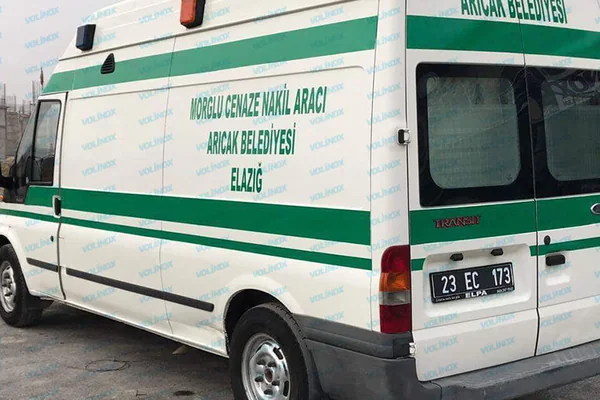
Who Provides Funeral Transport in Türkiye? Municipal Hearse Service
Municipalities provide the funeral transport vehicle; poor and unclaimed bodies are not charged. The Regulation sets no amount. Who does what elsewhere?
Read more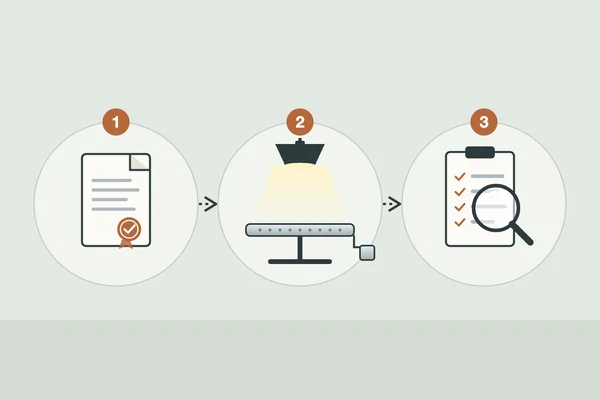
What Is an Autopsy? How a Forensic Autopsy Is Carried Out
An autopsy is a medical examination of a body to find the cause of death. Who performs a forensic autopsy and what it covers, under the CMK.
Read more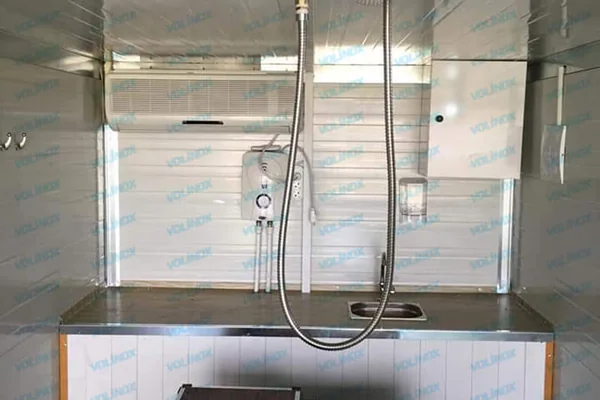
What Is a Gasilhane? How a Body-Washing Room Must Be Built
A gasilhane is the place where a body is washed and shrouded. Who does what in a hospital, municipality or village, and the minimum requirements for the room and the vehicle, under the Regulation.
Read more
Repatriation of Remains: Documents and Coffin Requirements
Documents and coffin rules for moving a body between countries: the laissez-passer, zinc-lined coffins, air transport and Türkiye's regulation.
Read more