English
 Türkçe

24/7 Call Center

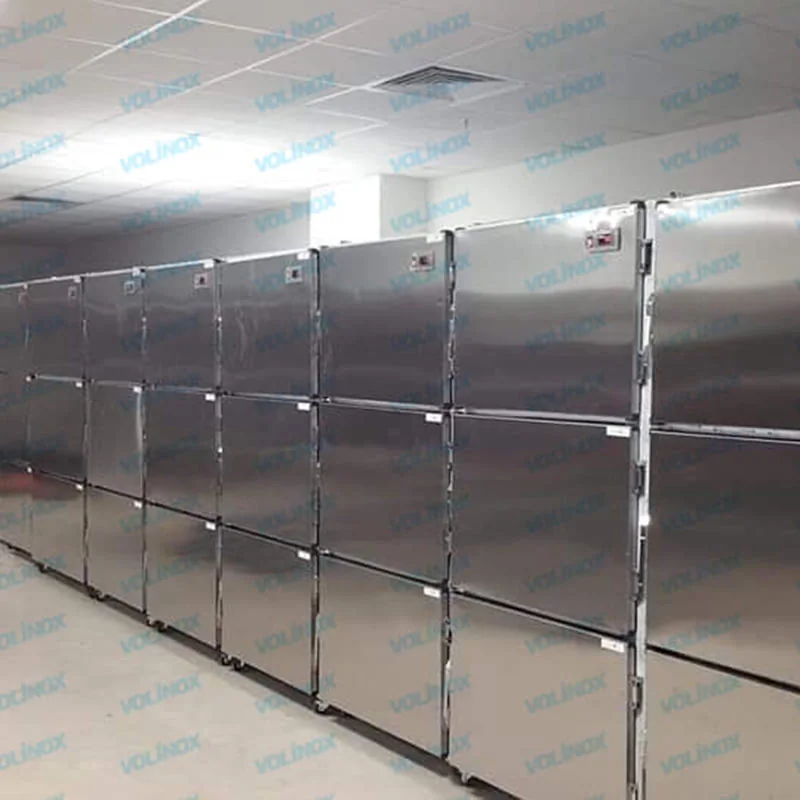
How long can a body stay in a morgue? The question matters to grieving families and to every organisation that runs a mortuary. There is no single answer that applies to everyone. The length of stay depends on how the body is stored, how long the official procedures take and when burial or transfer can be arranged. This article explains those factors and shows how a facility can plan the capacity it needs.
The first factor: how the body is cooled
Refrigeration does not stop decomposition; it slows it down. How long a body can be kept with dignity therefore depends largely on the type of compartment it is stored in:
| Compartment | Typical temperature | Suitable for |
|---|---|---|
| Refrigerated | +2 to +4 °C | Short waits before burial, post-mortem examination or release, usually measured in days |
| Freezer | −10 to −20 °C or colder | Stays that may last weeks or months: identification, forensic investigation, unclaimed bodies |
When a long stay is expected, moving the body to a freezer compartment in good time is essential for respectful storage. Our guide to morgue refrigerator temperature covers these ranges in more detail.
Time outside the morgue matters too
Storage quality is not only about the days spent in the mortuary. The shorter the interval between death and refrigeration, the better the rest of the stay can be managed. A long transfer in hot weather, a break in the cold chain during handover or compartment doors that are opened too often all work against it. Mortuary cabinets, transport vehicles and, where needed, refrigerated coffins should therefore be planned as one continuous chain.
Situations that lengthen the stay
In many communities, including Muslim and Jewish families, prompt burial is customary, and most bodies are released as soon as the paperwork is complete. Some situations, however, take longer:
- Forensic cases: the body is released only once the competent authority, such as a prosecutor, coroner or medical examiner depending on the country, gives permission.
- Identification: establishing the identity of an unknown person can take time.
- Long-distance or international repatriation: documents, vehicles and flights all have to be arranged.
- Unclaimed bodies: the deceased stays in the mortuary until the official process is concluded.
- Disasters and epidemics: when many deaths occur at once, every step can slow down.
How long a particular person is kept is decided by the responsible authorities under local regulations. Families should direct their questions to the hospital, municipality or forensic institute concerned.
Planning mortuary capacity
Estimating storage times is also the key to sizing a mortuary correctly. Start with simple arithmetic: if a facility receives an average of two bodies a day and each stays two days on average, about four compartments are occupied at any one time. Then build in a margin:
- Take daily admissions and average length of stay from your records for recent years.
- Set a separate peak figure for busy periods such as the winter months.
- Reserve part of the capacity as freezer compartments for long-term storage, and more of it if you provide forensic services.
- Decide on a back-up for sudden surges: portable units, refrigerated coffins or refrigerated vehicles.
- Start with modular units so compartments can be added as demand grows.
Good practice for respectful storage
- Record every admission with date, time and compartment number.
- Label compartment doors clearly and permanently.
- Read and log temperatures at fixed times.
- Transfer bodies facing a long stay to a freezer compartment without delay.
- Check identity details against the records before every release.
Volinox solutions by capacity
Volinox morgue units come in single, two-tier, three-tier and washing versions, so capacity can be matched to the facility. The three-tier package unit offers high capacity on a small footprint, an air-conditioned coffin provides temporary cooling where there is no morgue, and a funeral transport vehicle with morgue keeps the body cool on the road. Our article on how a refrigerated coffin works explains the portable option.
To plan capacity around your admissions and storage times, get in touch through our contact page or on WhatsApp.
Share: WhatsApp
Frequently asked questions
What is the maximum time a body can stay in a morgue?
There is no universal limit; it depends on storage conditions and on any official procedures still under way. Refrigerated compartments are meant for short stays, and bodies that must wait longer are moved to freezer storage. For a specific case, the hospital, municipality or forensic institute involved can give accurate information.
How long can a body stay in a morgue freezer?
Frozen storage at −10 to −20 °C or colder is used for stays of weeks or months, for example during identification or forensic investigations. The actual duration is set by the responsible authorities, not by the equipment alone.
Does every mortuary need freezer compartments?
It depends on the cases a facility handles. Freezer storage becomes important for forensic services, unidentified bodies and long repatriation processes, while small washing facilities that release bodies quickly can often manage with refrigerated compartments.
Need a quote or technical details on this topic?Send us your size and capacity requirements and we will help you choose the right solution.
Related articles
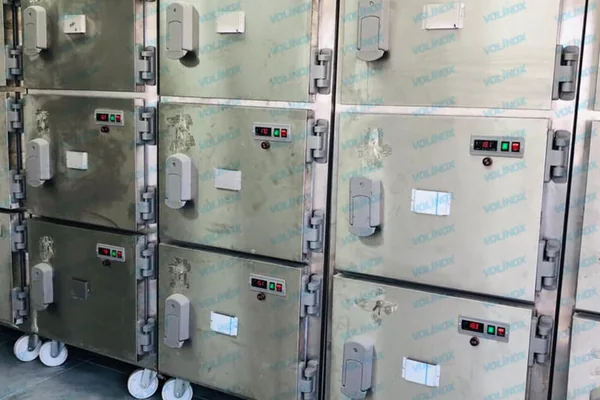
Morgue Refrigerator Temperature: Ranges, Monitoring and Alarms
Typical morgue refrigerator temperatures for short and long-term storage, and how to monitor, log and protect them with alarms and maintenance.
Read more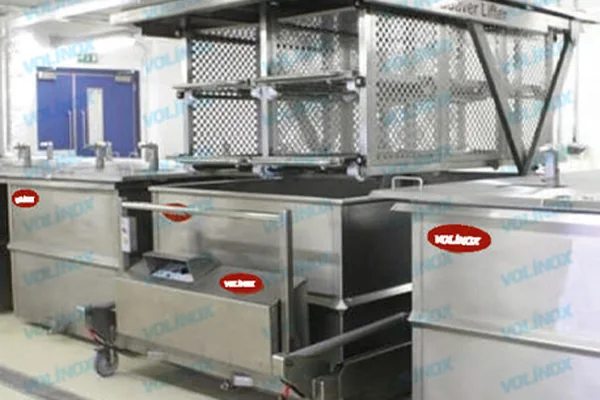
Cadaver Storage Tanks: A Practical Guide for Anatomy Labs
The components of a cadaver storage tank, the criteria for choosing one and the safety principles anatomy laboratories should follow.
Read more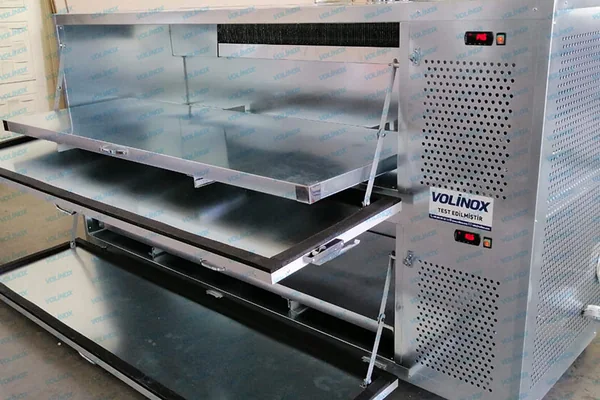
Mortuary Cabinet Types and Sizes: Choosing the Right Capacity
Compare single, two-tier, three-tier and washing-type mortuary cabinets by size and capacity, and see what to measure on site before you place an order.
Read more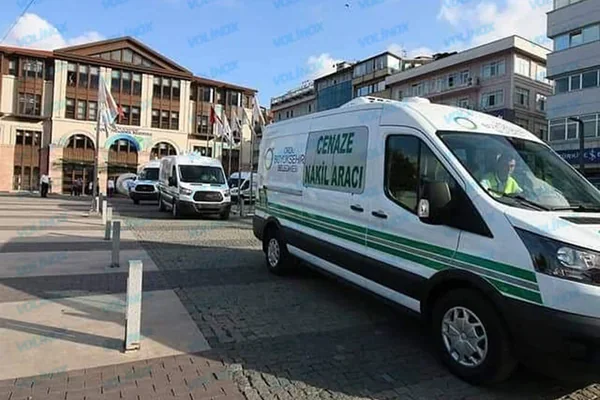
Hearse Van Equipment Guide: Choosing a Funeral Transport Vehicle
A practical guide for municipalities and funeral services to hearse van interiors, refrigerated and standard options and a pre-purchase checklist.
Read more