English
 Türkçe

24/7 Call Center

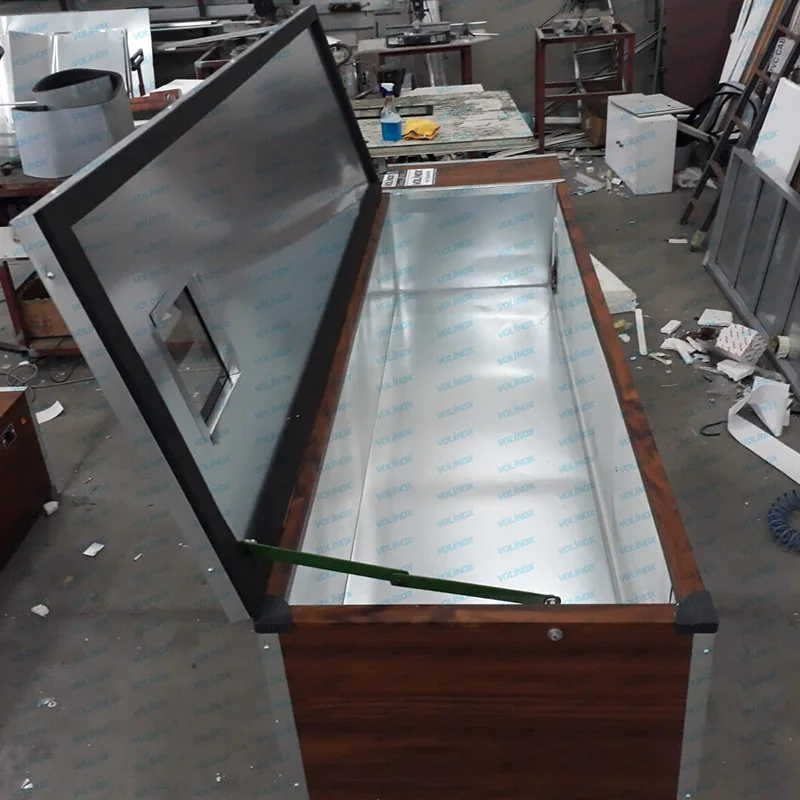
A refrigerated coffin, also called an air-conditioned coffin or, in some regions, a body freezer box or cooling box, keeps the deceased cool for a short period where there is no mortuary. It is used in villages without a morgue, in homes receiving condolences and whenever the burial has to wait for relatives travelling from far away. This article explains how a refrigerated coffin works, when it is the right choice, how it compares with a morgue cabinet and what to watch for when using it.
How does a refrigerated coffin work?
At its core, a refrigerated coffin is an insulated, top-loading cooling unit built in the shape of a coffin. It works much like a refrigerator:
- Refrigeration unit: a compressor and condenser housed at one end remove heat from the inner chamber and release it outside. The ventilation grille on that end is where the warm air leaves.
- Insulated body: insulation in the walls and lid limits how much outside heat reaches the chamber.
- Stainless steel chamber: the compartment in which the body rests is made of stainless steel that is easy to clean.
- Controller: a thermostat holds the set temperature, and a display lets staff check it without opening the lid.
Volinox describes its air-conditioned coffins as having static and shock cooling, a power supply and a vacuum function. Shock cooling helps pull the temperature down quickly once the body has been placed inside. Some models have a viewing window in the lid so that the family can see the deceased without opening it.
When is it used?
- Waiting for burial in villages or districts without a mortuary or washing room
- Homes where relatives are expected from far away
- Temporary storage next to a mosque or cemevi
- Extra capacity for mortuaries during disasters and epidemics
- Short waits before a body is transferred to a funeral vehicle
Refrigerated coffin, morgue cabinet or aluminium raft coffin?
| Feature | Refrigerated coffin | Morgue cabinet | Aluminium raft coffin |
|---|---|---|---|
| Cooling | Yes | Yes, in compartments | No |
| Portability | Portable, plugs into the mains | Fixed installation | Carried by hand, about 25 kg |
| Loading | From the top | Front or side, on a tray | From the top |
| Typical use | Temporary storage | Hospitals, washing rooms, forensic units | Carrying the deceased |
A refrigerated coffin is designed for short, temporary use. If longer storage is needed, the body should be moved to a morgue cabinet with refrigerated or freezer compartments. Our article on how long a body can stay in a morgue explains why.
What to check when buying
- Achievable temperature and pull-down time: short-term storage usually targets +2 to +4 °C. Confirm at quotation stage how quickly the unit reaches that range.
- Internal length: the chamber must comfortably take a shrouded adult.
- Lid and seal: a tight gasket and a secure lid catch reduce cold loss.
- Handling: handles, a wheeled stand if needed and dimensions that fit your vehicle.
- Appearance: a wood-effect finish helps the unit look calm and respectful in a family home.
Safe use and care
- Place the unit on a level surface out of direct sunlight, in a well-ventilated spot, and keep the grille clear.
- Plug it into an earthed socket and make sure any extension cable is rated for the load.
- Switch it on and let the chamber cool down before the body is placed inside.
- Avoid opening the lid unnecessarily; check the temperature on the display instead.
- After each use, disconnect the power, clean and disinfect the chamber and leave it to dry.
Lending and tracking
Refrigerated coffins are often lent to families by a municipality or village administration for a few days. A simple tracking routine extends the life of the equipment and reassures families. Record where and when each unit was delivered, hand over a short instruction card together with a phone number to call in case of a fault, and when the unit comes back, clean it, check that it runs and that the display reads correctly, then store it ready for the next family.
Volinox refrigerated coffins
You can see the models on our air-conditioned coffin page and compare other options on the coffins page. For carrying the deceased, the aluminium raft coffin is a lightweight choice, and for a permanent storage room the single package morgue unit is worth considering. To keep the cold chain intact on the road, see our hearse van equipment guide. For a quote, contact us through our contact page or on WhatsApp.
Share: WhatsApp
Frequently asked questions
What temperature does a refrigerated coffin reach?
For short-term storage the usual target is +2 to +4 °C. The lowest achievable temperature and the time needed to reach it can vary by model, so confirm both at quotation stage.
Does a refrigerated coffin need mains power?
Yes, the cooling system runs on electricity and should be connected to an earthed socket. Where power cuts are common, plan a back-up such as a generator and keep the lid closed during an outage.
How do you clean a refrigerated coffin?
Disconnect the power first, then wipe and disinfect the chamber with a non-abrasive cleaner suitable for stainless steel. Close the lid only once the unit is completely dry, and check the gasket and ventilation grille regularly.
Who typically uses refrigerated coffins?
Municipalities, cemetery departments, village administrations, homes receiving condolences and washing rooms attached to mosques or cemevis. They are also useful for adding temporary mortuary capacity during disasters and epidemics.
Need a quote or technical details on this topic?Send us your size and capacity requirements and we will help you choose the right solution.
Related articles
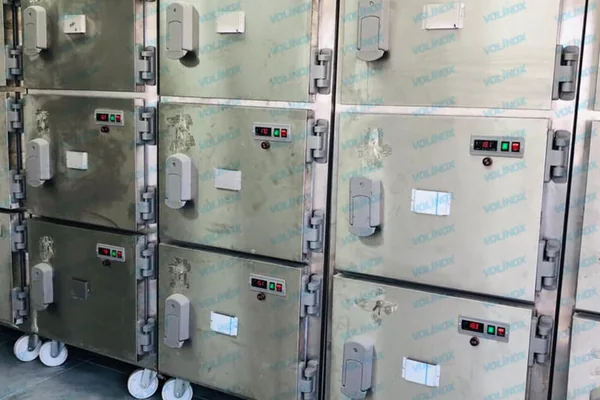
Morgue Refrigerator Temperature: Ranges, Monitoring and Alarms
Typical morgue refrigerator temperatures for short and long-term storage, and how to monitor, log and protect them with alarms and maintenance.
Read more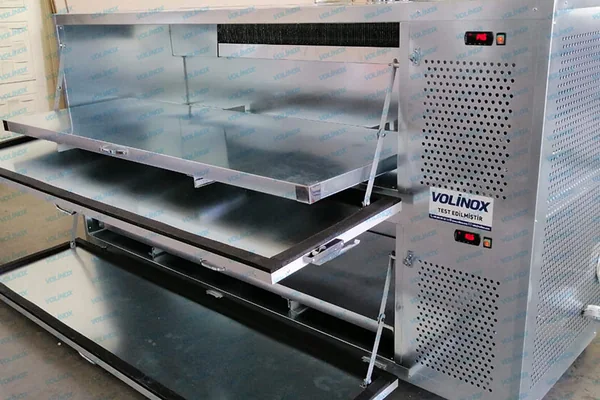
Mortuary Cabinet Types and Sizes: Choosing the Right Capacity
Compare single, two-tier, three-tier and washing-type mortuary cabinets by size and capacity, and see what to measure on site before you place an order.
Read more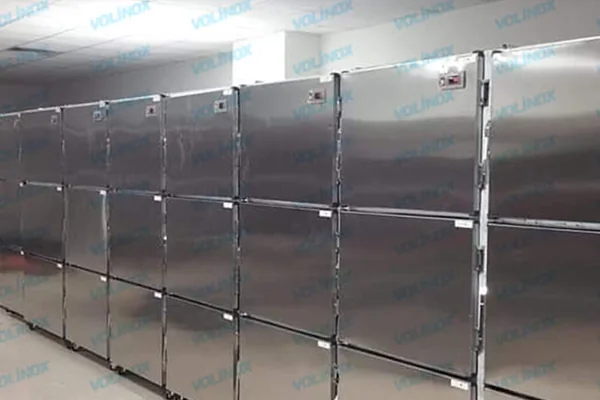
How Long Can a Body Stay in a Morgue? Short vs Long-Term
What determines how long a body stays in a morgue, when freezer storage is needed and how hospitals and municipalities can plan compartment capacity.
Read more
Hearse Van Equipment Guide: Choosing a Funeral Transport Vehicle
A practical guide for municipalities and funeral services to hearse van interiors, refrigerated and standard options and a pre-purchase checklist.
Read more