English
 Türkçe

24/7 Call Center

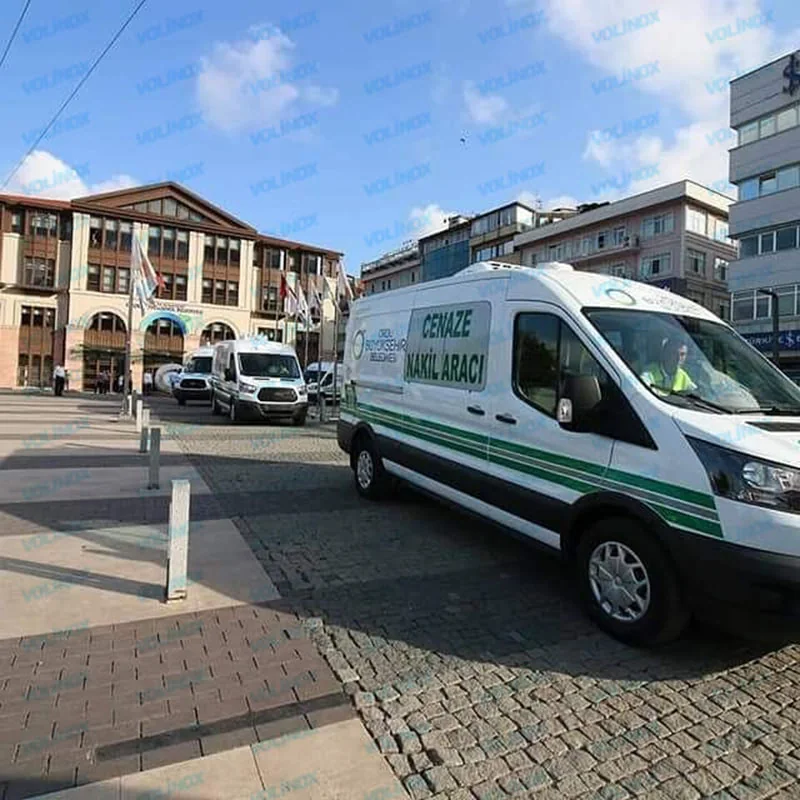
A funeral transport vehicle carries the deceased with dignity from hospital, home or mortuary to the washing room, the place of worship and the cemetery. For a municipality or cemetery department, the right vehicle is the one that matches its daily workload, the distances involved and the conditions of the area it serves. This guide explains what a hearse van should carry inside, how refrigerated and standard vehicles differ and which questions to ask before buying.
Types of funeral transport vehicle
| Type | Cooling | Typical use |
|---|---|---|
| Standard hearse van | None | Short journeys within a town or city |
| Hearse van with morgue unit | Refrigerated morgue unit built into the load area | Long-distance transfers, longer waits, communities without a mortuary |
| Trailer-type transport unit | Usually none | Short transfers within rural villages |
Volinox builds van-based vehicles with and without a morgue unit, as well as covered trailer solutions for rural communities.
What should be inside a hearse van?
A hygienic interior
The load area should be lined with surfaces that are watertight, easy to wipe and resistant to disinfectants. Stainless steel or aluminium chequer-plate flooring is easy to clean and gives staff a secure footing. Corners and joints should be sealed so that water cannot collect.
Secure coffin and stretcher fixing
Rails, locking cradles or sliding trays stop the coffin or stretcher from moving on the road. Multi-level racks allow two or three coffins to be carried safely at the same time, which makes a real difference during disasters and epidemics. If you use lightweight transport coffins such as our aluminium raft coffin, take their dimensions into account when the racks are designed.
A refrigerated morgue unit
In a refrigerated hearse, a cooling unit installed in the load area keeps the body at a controlled temperature on long journeys. Its digital display should be easy to read, and there should be a way to power it while the engine is off, either from a mains hook-up or a generator.
Easy loading
Wide-opening rear doors, a folding step and a sliding tray reduce the strain on staff. For heavier loads, hydraulic and mechanical lifts make loading and unloading safer.
Lighting, ventilation and appearance
Interior lighting improves safety on night calls, and ventilation keeps odour and humidity under control. The exterior should be simple and respectful, with the organisation's name and contact details clearly shown.
Refrigerated or standard?
For a service that only makes short urban trips between hospital and cemetery, a standard vehicle is often enough. If you serve villages without a mortuary, carry bodies to other cities or regularly wait for relatives to arrive before the burial, a refrigerated vehicle gives you far more flexibility. Municipalities that run several vehicles often find that having at least one refrigerated van in the fleet helps balance the workload in busy periods.
Checklist before you buy
- How many transfers do you handle per day, and what is the longest route?
- Will the vehicle make intercity transfers? If so, you need a morgue unit.
- How many coffins must it carry at once?
- Does the load area of the chosen chassis fit the coffin length and the planned equipment? High-roof, long-wheelbase vans offer the most space for a morgue unit or multi-level racks.
- What are local road and weather conditions like? Snow, steep gradients and narrow streets all influence the choice.
- How will servicing, maintenance and spare parts be handled?
Cleaning and maintenance
After every journey, wipe the load area with a suitable disinfectant and drain away any liquid from the floor. On refrigerated vehicles, check the cooling unit's drain, the door seals and the electrical connections regularly. Racks and fixings should also be checked for looseness during routine servicing.
Volinox funeral vehicles
You can see the standard and refrigerated models on our funeral transport vehicle and funeral transport vehicle with morgue pages. For communities without a washing room, read about the mobile ghusl unit with morgue, and for temporary cooling without a vehicle, see our refrigerated coffin guide. To specify the right equipment for your vehicle, request a quote through our contact page or on WhatsApp.
Share: WhatsApp
Frequently asked questions
What is a hearse van with a morgue unit used for?
A refrigerated morgue unit installed in the load area keeps the body at a controlled temperature, even on long journeys. It suits municipalities that handle intercity transfers or serve communities without their own mortuary.
How many coffins can a funeral transport vehicle carry?
That depends on the size of the load area and the rack layout. Van-based vehicles can be fitted for a single coffin or with racks that carry two or three coffins stacked one above the other.
Which base vehicle is best for a hearse conversion?
If you plan a morgue unit or multi-level racks, a high-roof, long-wheelbase van offers the most interior space. Before deciding, check that the load area suits the coffin length, the planned equipment and the local road conditions.
How should a hearse van be cleaned?
After each use, wipe the interior with a disinfectant suitable for stainless steel and aluminium, and drain any liquid from the floor. On refrigerated vehicles, also inspect the cooling unit's drain and door seals regularly.
Need a quote or technical details on this topic?Send us your size and capacity requirements and we will help you choose the right solution.
Related articles

Mobile Ghusl Unit with Morgue: Funeral Washing Trailer Guide
How a trailer-mounted funeral washing unit with a built-in morgue works, what equipment it carries and how to set it up and maintain it.
Read more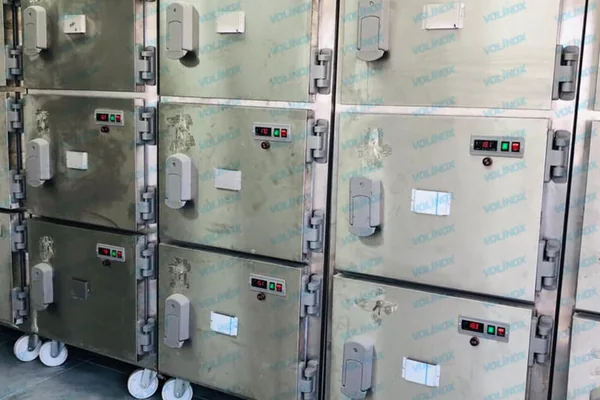
Morgue Refrigerator Temperature: Ranges, Monitoring and Alarms
Typical morgue refrigerator temperatures for short and long-term storage, and how to monitor, log and protect them with alarms and maintenance.
Read more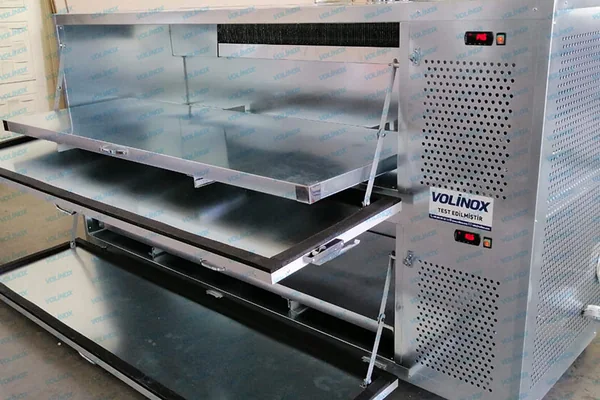
Mortuary Cabinet Types and Sizes: Choosing the Right Capacity
Compare single, two-tier, three-tier and washing-type mortuary cabinets by size and capacity, and see what to measure on site before you place an order.
Read more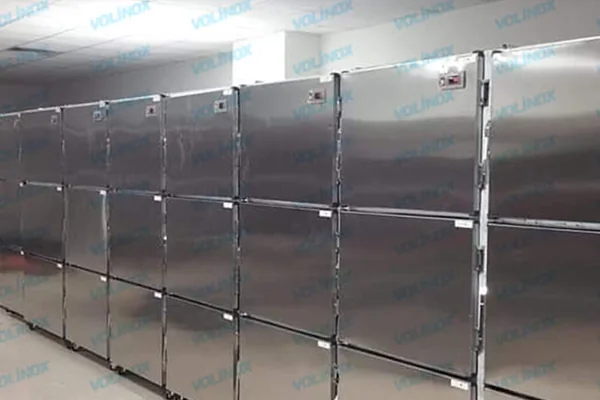
How Long Can a Body Stay in a Morgue? Short vs Long-Term
What determines how long a body stays in a morgue, when freezer storage is needed and how hospitals and municipalities can plan compartment capacity.
Read more